
"Owned by those we serve"
Soaring temperatures and sultry summer nights can cause electric bills to skyrocket. This summer, take a vacation from high electric bills by making your home — and your family’s habits — more energy efficient.
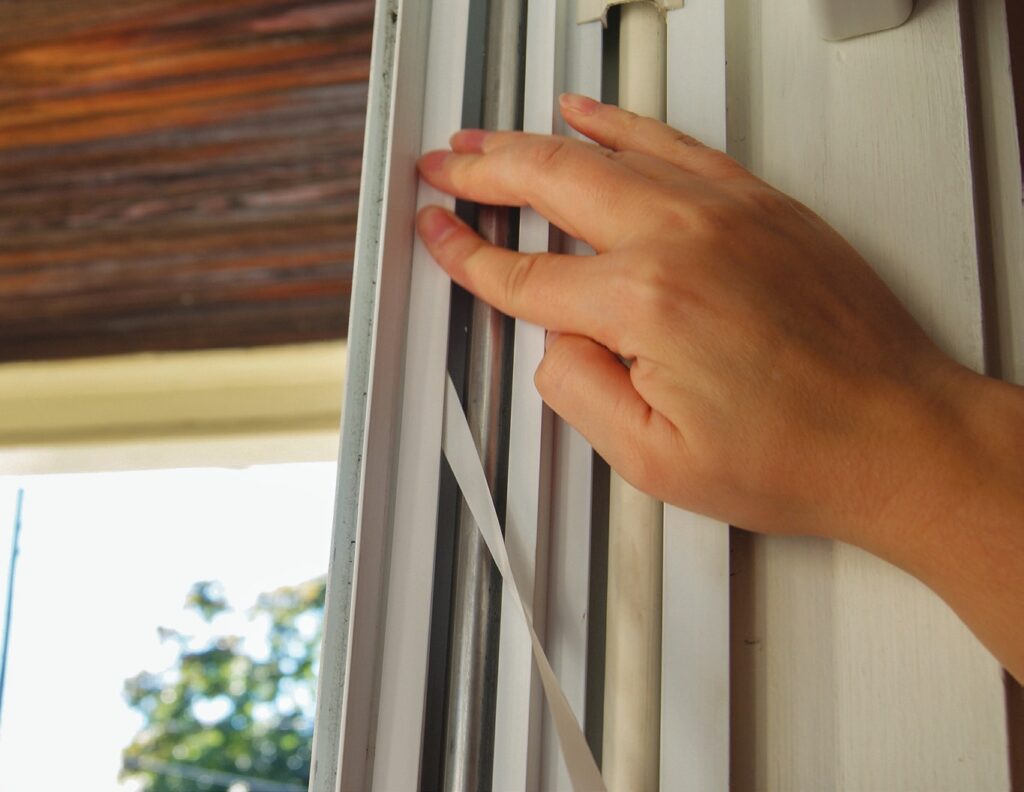
during summer months.
PHOTO COURTESY
OF PRAGMATICENVIRONMENTALISM.COM
Air conditioning helps most Americans beat the sweltering summer heat. According to the U.S. Department of Energy, air conditioning accounts for as much as 50% of the average household electric bill.
Proper maintenance and smart use of your home’s cooling system will help keep your electric bill in check.
First, make sure your air conditioner’s external unit is clean and free of debris. Clear away dead leaves or overgrown plants and weeds to enable the unit to perform as it should.
Second, change the air filters quarterly, or more often in homes with allergy sufferers or smokers. Fresh filters not only reduce the strain on your cooling system, but improve air quality in the home.
Third, the DOE recommends you set your thermostat as high as possible during the summer, while still maintaining a comfortable environment for your family.
Bumping the thermostat up at least 2 degrees can make a noticeable difference on your power bill.
Investing in a programmable thermostat can lead to even greater savings by automatically adjusting the cooling system to run more often when you are at home and less often when you are away.
Made in the shade
Windows are not only great sources of natural light, but also great sources of heat during the summer.
Curtains, blinds and shades make your windows and home more energy efficient. Window coverings are a low-cost, stylish solution to shield the sun’s rays and keep the home’s interior cool and comfortable.
Proper weatherstripping and caulking around window panes and casings keep the cool air in and the hot air out.
Solar film applied to your home’s existing windows further repels the summer heat.
Daily grind
Today’s appliances perform better and use less electricity than they did in the past.
Despite their functionality and efficiency, most give off heat when in use.
During peak daytime temperatures, residual heat from appliances can strain your home’s cooling system and send your power bill soaring.
Run the dishwasher, clothes washer and dryer early morning or late night, when temperatures are cooler.
When possible, turn off your dishwasher’s dryer cycle. This prevents residual heat from warming your home and saves on your power bill.
Washing your clothes in cold water and hanging them out to dry are also great ways to reduce your energy consumption.
Some weather forecasts suggest a warmer than normal summer for Alabama. Take the necessary precautions to protect yourself and keep cool.
As your summer heats up, visit the DOE’s website, energy.gov, for energy-saving tips.
Turn up savings with proper use of ceiling fans
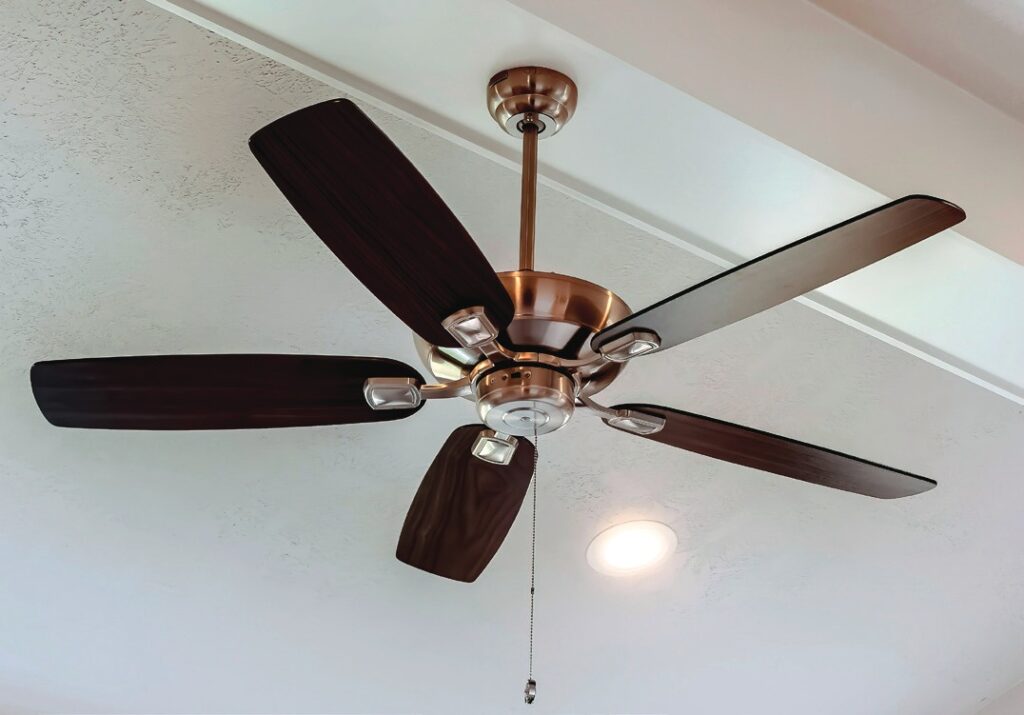
If you are like most Americans, you have at least one ceiling fan in your home. Ceiling fans help us feel more comfortable and are a decorative addition to our homes. If used correctly, they can help lower energy costs.
Try the following tips to make the most of your ceiling fans.
Flip the Switch
Most ceiling fans have a switch near the blades. In summer months, flip the switch so the blades operate in a counterclockwise direction, effectively producing a wind-chill effect. As a result, ceiling fans make the air near them feel cooler than it really is. In winter, move the switch so the fan blades rotate clockwise, creating a gentle updraft. The fan will push warm air from the ceiling into occupied areas of the room. Regardless of the season, operate the fan on the lowest speed that maintains your comfort level.
Adjust Your Thermostat

the summer while still maintaining a
comfortable temperature for your family.
PHOTO COURTESY OF
CONSUMERS ENERGY
In summer, when using a fan in conjunction with an air conditioner — or instead of it — you can turn your thermostat up 3 to 5 degrees without any reduction in comfort. Doing this saves money since a fan is less costly to run than an air conditioner. In winter, lower your thermostat’s set point by the same amount. As the fan pushes warm air down from the ceiling, the heat won’t run as often.
Choose the Right Size
Make sure your ceiling fan is the right size for the room. For example, a fan that is 36 to 44 inches in diameter will cool rooms up to 225 square feet. To cool a larger space, use a fan that is 52 inches or more.
Turn It Off
Turn off the fan when the room is unoccupied. Ceiling fans only cool people. They do not cool rooms. North Alabama typically sees its hottest weather in July and August. Use ceiling fans more and the air conditioner less so you don’t see a spike in your electric bill.