
"Owned by those we serve"
Native plants help vital winged workers thrive
Spring is alive with fluttering colorful wings and buzzing bees. Nature’s army of pollinators is hard at work giving life to the plants we eat and flowers we enjoy.
The diverse range of pollinators—birds, bees, and butterflies, for starters—don’t know they’re protecting the Earth’s food supply. Their own survival is the goal as they flit from blossom to blossom collecting precious nectar, a complex mix of sugars and nutrients created by flowering plants. There are easy things we can do to help them thrive.
Protecting Pollinators
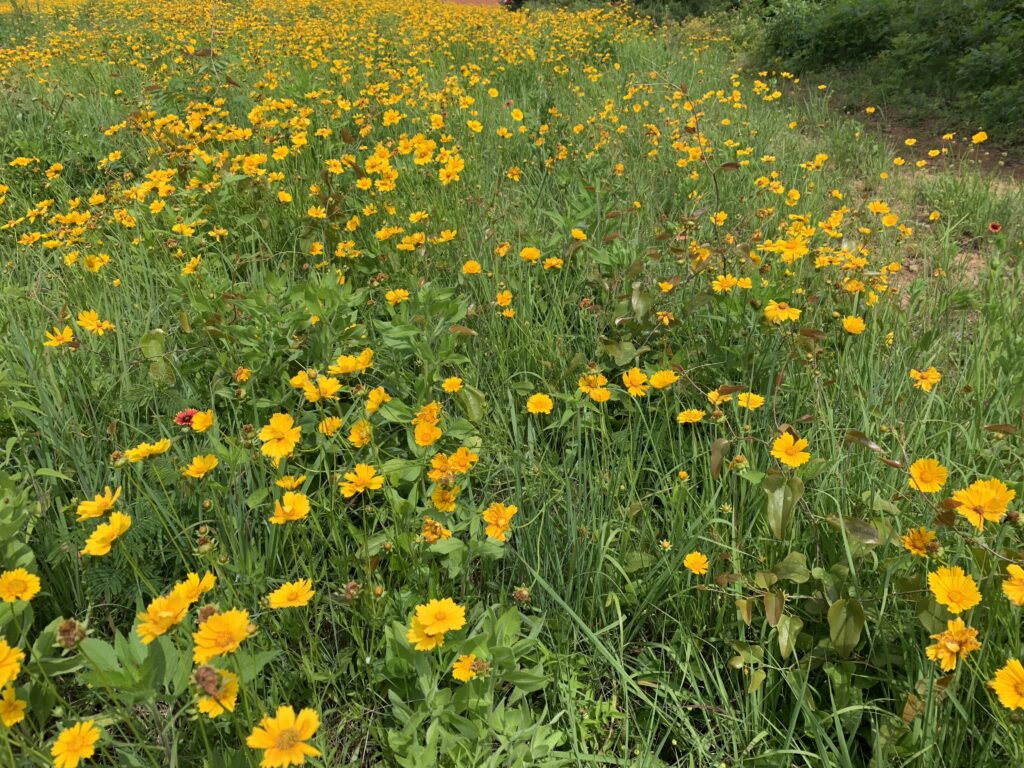
Key to taking care of pollinators is ensuring they have access to safe, healthy food sources, and the best of these are plants native to the area. Planting native flowers, shrubs, and trees is vital to meeting the nutritional needs of everything from hummingbirds to bees, butterflies, beetles, and moths.
“These species provide the bulk of pollination, and it’s important to understand that our native flowering plants support them,” says Norm Haley, a natural-resources specialist with the Jackson County office of Alabama Cooperative Extension System–Auburn University. As an ACES agent, Haley readily offers information about caring for pollinators. The system’s website, aces.edu, also provides a wealth of information about how to feed and protect them.
Flowering plants lead the list of ways to attract pollinators, and these plants’ presence—or lack thereof—impacts the pollinator population. Pollination ecologists note a correlation between reductions in flowering plants and declines in the number of pollinators, according to aces.edu.
Of the pollinators attracted to flowering plants in your yard, perhaps the most beloved and fun to watch is the ruby-throated hummingbird. There are 366 species of hummingbirds and 15 common in the U.S., according to the U.S. Fish and Wildlife Service. Only the ruby-throated hummingbird is known to nest east of the Mississippi River.
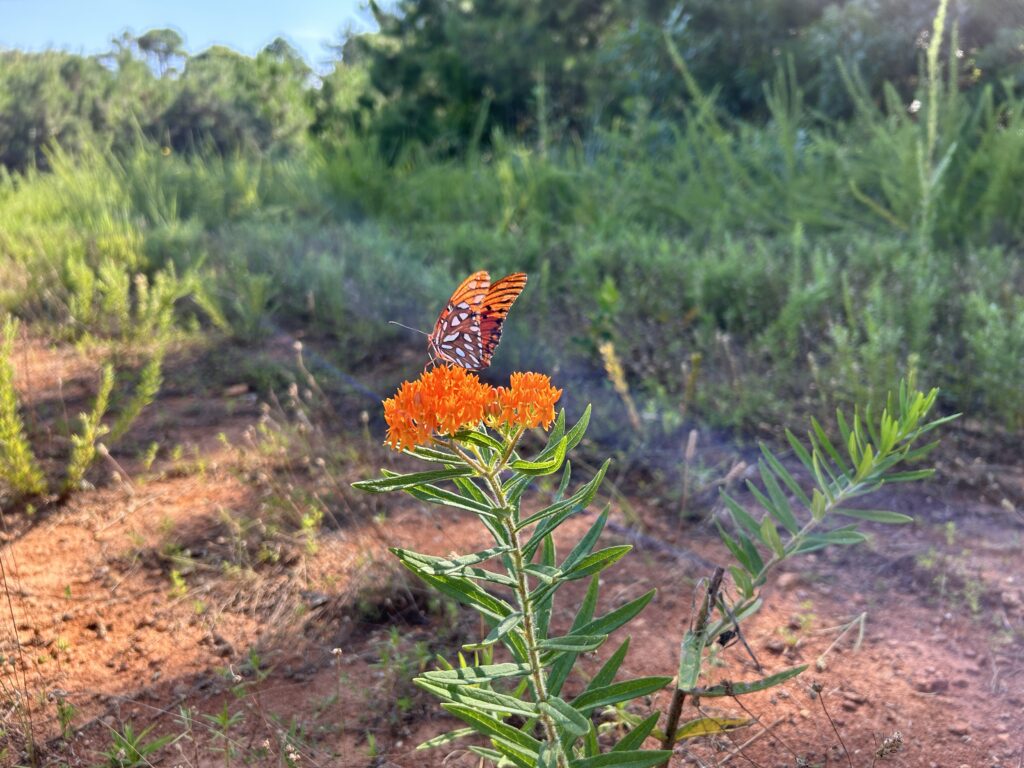
Still, all types of migratory hummingbirds may stop to refuel. They’re highly attracted to flowers of red and orange hues, like salvia, which is also a favorite of butterflies. The flowers of trumpet creeper vines carry lots of nectar, as do blooms of the lantana shrub and butterfly bush. Petunias, eastern columbines, and red bee balm—each of its petals a tiny tube perfect for feeding—attract the sharp eyes of hummingbirds even from a distance, as do azaleas and the cardinal flower, which depends on them for pollination.
More native flowers Alabama Audubon lists as nectar sources for birds are the red/scarlet buckeye, crossvine, jewelweed, standing cypress, and coral honeysuckle. These will also attract butterflies, but the caterpillars of moths and butterflies thrive on native plants and trees like oaks, wild cherry, hickories, willows, maples, crabapple, pines, cottonwood, and blueberries.
Bees, the workhorses of pollinators, prefer perennial plants over annuals. Honeybees, though not native to the U.S., are responsible for about 85% of the pollination needed to produce a third of the country’s food supply. They are especially active in nectar-gathering during May.
“This month is the peak of when their honey crop is being made,” says veteran Jackson County beekeeper Kevin Gross, a retired optometrist whose honeybee farm has evolved into a mead enterprise. “They’re going wide open now, flower to flower. That usually plays out in June, and then we have what’s called a summer dearth. There’s not much pollen or nectar, so the bees take a bit of a break. When it cools down and fall flowers like goldenrod bloom, they’ll get busy again for a short time before they kind of coast through winter.”
While honeybees lead the pollinators pack, butterflies, hummingbirds, moths, flower flies, beetles, and wasps also do their part. They’re considered “incidental” pollinators because of how they spread pollen—it dusts their feathers or wings as they dine on nectar and then transfers to the other flowers and plants they visit.
Pesticide use in any outdoor landscape can create hazards for pollinators, so users need to know what to look for if they deem it necessary.
When shopping for a pesticide, check the product label for information like toxicity, ingredients, and safety precautions. Labels on some packaging are concealed under a flap, and ACES advises shoppers to open the flap to read the label in the store. Also, if pesticides are necessary, consider choices like insecticidal soaps, which are less toxic to pollinators.
Monarchs rate the royal treatment
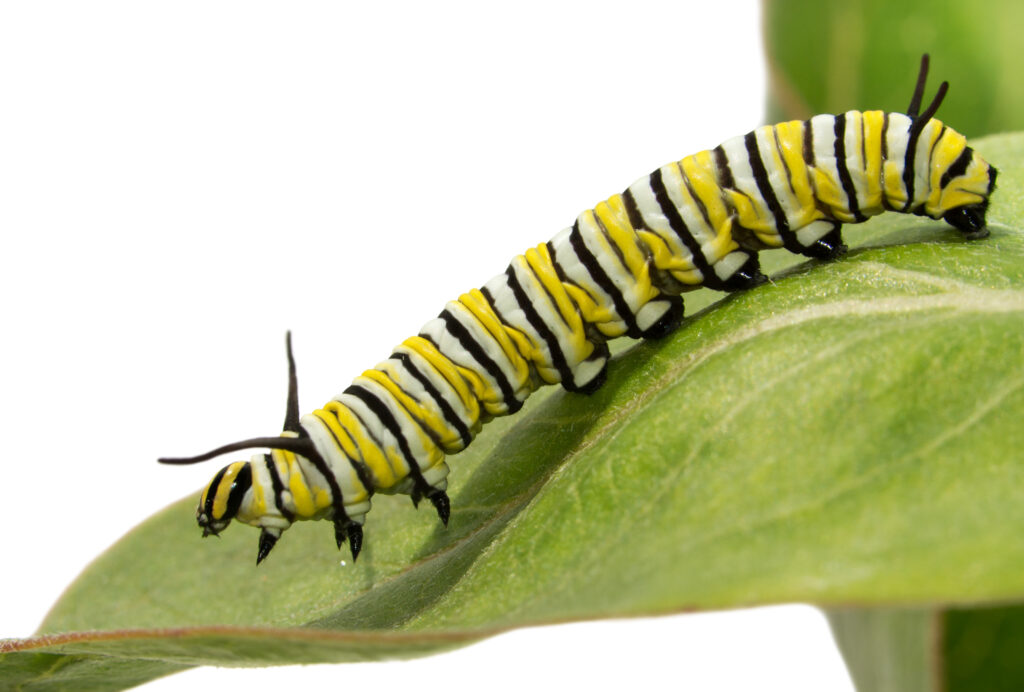
Adult monarch butterflies are industrious pollinators and breeders as they make their way north through this area each spring.
Attract them to your property with a butterfly garden offering native milkweed, dill, parsley, purple coneflowers and other nectar-rich blooms in a sunny spot, and provide some water. Locate the area away from main garden beds or place protective netting over vulnerable plants to keep them safe from the monarchs’ hungry caterpillar offspring.
Besides a nectar garden, you can place butterfly houses or potted plants to encourage them to roost in specific places. If it’s all to their liking, don’t be surprised when they come back to visit on their way to Mexico in the fall!