
"Owned by those we serve"
Prevention is the best weapon
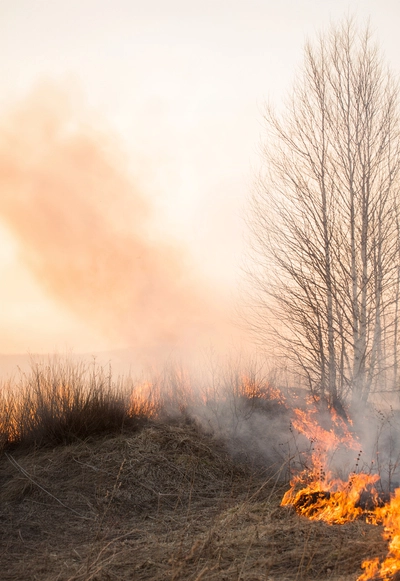
During a week of dry and windy conditions in late March, 147 wildfires across Alabama burned at least 5,600 acres of woodland, according to the Alabama Forestry Commission. By mid-April, that total grew to nearly 16,000 acres as drought conditions worsened.
A statewide fire alert was issued, meaning anyone burning a field, grassland or woodland without a permit could face prosecution for a Class B misdemeanor. Wildfires are not as common in Alabama as they are out West, but they are still an annual threat. Take last year, for example. During the first weekend of March 2025, there were wildfires in 54 of the state’s 67 counties. The fire risk returned in November after a lack of rainfall led to a fire danger advisory for 21 counties in North Alabama. Ten days after the advisory was lifted, Stevenson volunteer firefighters responded to a brushfire burning over 70 acres, putting structures and key electrical infrastructure at risk. Support showed up from neighboring fire squads, the Alabama Forestry Commission, the Tennessee Valley Authority and North Alabama Electric Cooperative. When it was over, the fire caused $6,000 in equipment damage over two days but no injuries.
A day after extinguishing that wildfire, the Stevenson squad had to fight another blaze ignited by a burning brush pile. Fortunately, that fire charred only about an acre before it was contained.
Reducing the risks
NAEC works year-round to reduce fire risk, using technologies like power line sensors and clearing vegetation around power lines and other electrical equipment to rob fire of its fuel.
Wildfire prevention, though, is a shared responsibility. Everyone can take steps to protect homes and communities:
- Avoid outdoor burning on windy or excessively dry days and always check for burn bans. Never build a campfire, shoot fireworks, burn debris or use a barbecue pit when warnings are in effect.
- Never leave a fire unattended. Properly extinguish the fire by dousing it with water, stirring the ashes and ensuring they are cool to the touch. Embers can be carried by wind more than a mile, igniting homes, debris and other objects.
- Clear anything combustible, such as dry leaves and dead branches, from around homes and outbuildings.
- If you see plant overgrowth near power lines, contact NAEC.
- Avoid parking vehicles on dry grass. Keep vehicles properly maintained to avoid sparking and overheating.
- When planning a controlled burn, make sure to have proper permitting. Check the weather forecast for wind direction and speed as well as humidity. Relative humidity should be 40% or higher.
- Delay plans for a controlled burn until any burn ban is lifted and conditions improve.
Notify your local fire department and neighbors about the controlled burn ahead of time.